AI image generators can take you from an idea to a finished design in minutes, so it's natural to wonder whether you're allowed to put those designs on products and sell them. The short answer is yes, on most marketplaces, as long as you follow a few rules. Here's what Etsy asks of sellers who use AI, what US copyright law says about AI art, and the simple habits that keep your shop safe.
We're a print on demand company, not a law firm, so treat this as a friendly guide rather than legal advice. It covers Etsy and US law, and policies change, so always check the sources linked below for the latest information.
Etsy allows AI designs
Etsy's Creativity Standards, last updated June 10, 2025, sort every item on Etsy into four groups: Made by a seller, Designed by a seller (the seller's own design, produced by someone else), Handpicked by a seller (vintage and natural items the seller selects) and Sourced by a seller (craft supplies, party supplies and items personalized with a buyer's text or photo). AI art belongs in Designed by a seller, which includes "seller-prompted AI creations": designs made with AI tools from your own original prompts. Etsy's own examples include a fantasy scene made from a seller's prompt and a custom portrait of a buyer's pet made with AI.
Two rules matter most for print on demand sellers:
- Say when you used AI. Etsy requires you to mention it in the listing description when an item was made with AI. One plain sentence does the job, like "This design was created with the help of AI tools."
- Say who makes it. When a production partner like Dreamship prints and ships your design, Etsy asks you to disclose that partner in Shop Manager (Settings > Partners you work with) and to set each listing's ship-from location to where the partner ships from. Etsy's help center explains how to add a production partner to your listings.
Note: Etsy doesn't allow selling the prompts themselves, like AI prompt bundles. Beyond that, the AI designs you sell follow the same rules as any other design, like not using images, logos or phrases that belong to someone else.
Listing photos must match what buyers receive
Etsy updated its Listing Image Requirements on November 5, 2026. The idea behind them is simple: every image has to show buyers what they'll really receive.
For print on demand items, where a production partner prints your original design on a standard product like a t-shirt or mug, Etsy lets you use a stock mockup (a ready-made photo of a blank product, like a shirt or mug, that you place your design on) as long as you have the right to use it, like a mockup you bought or a free one clearly licensed for commercial use. Thanks to this rule, print on demand items don't need a real photo, which most other items on Etsy do.
You can use AI tools on your other listing images too, as long as the result still shows the real color, material and size of what the buyer will receive. You can still adjust lighting to match real life, crop, and clean up or replace the background. An AI scene that changes the product's color, texture or design, or makes it look better than what arrives, isn't allowed. Accurate photos keep buyers happy and help you avoid refund cases: if an item arrives noticeably different from its photos, Etsy may refund the buyer at your cost.
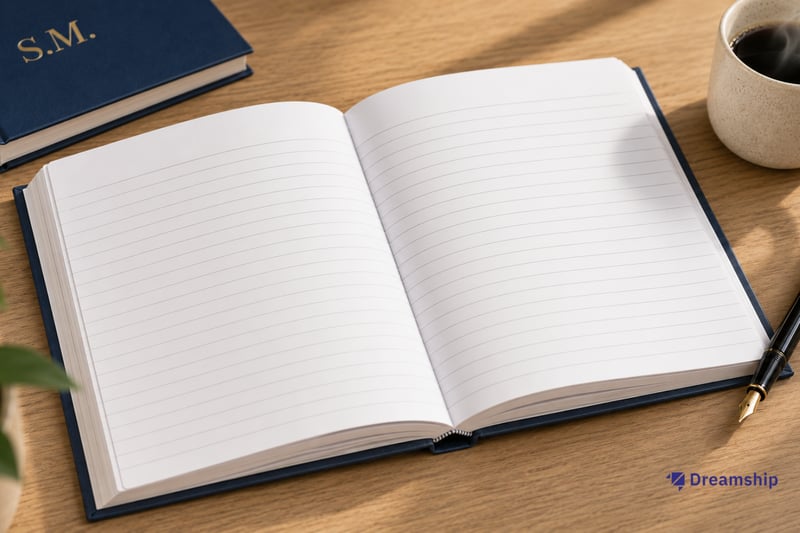
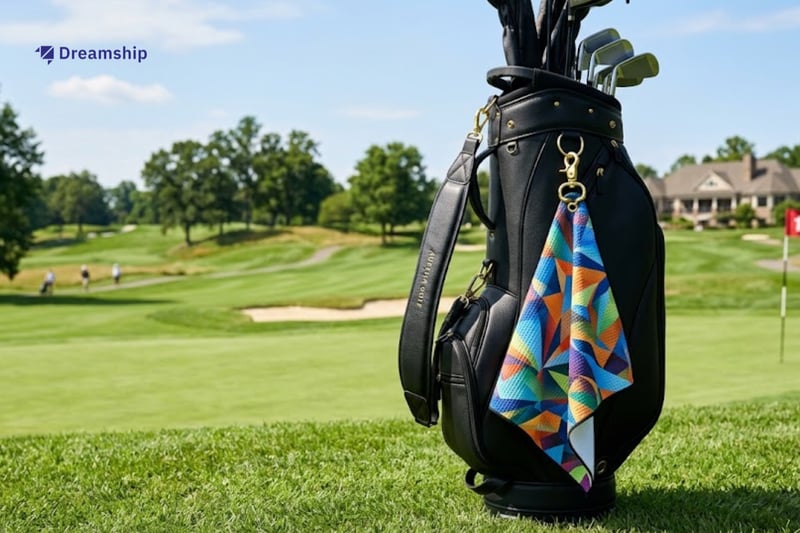
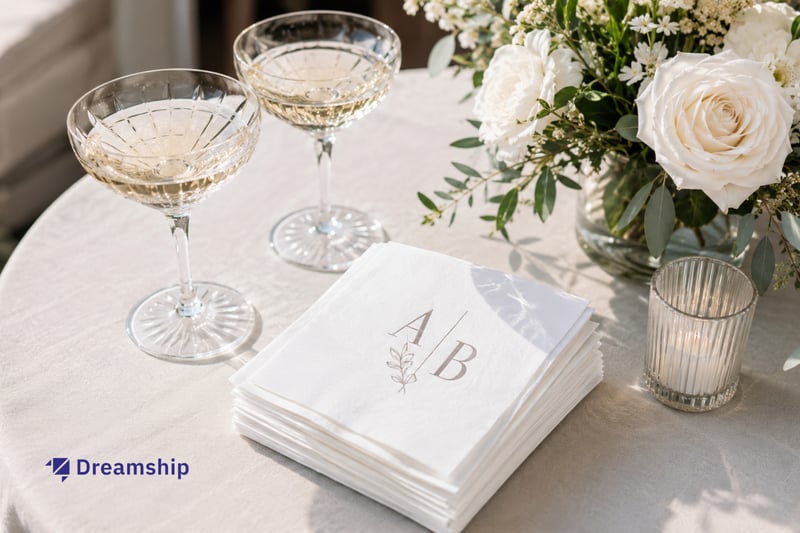
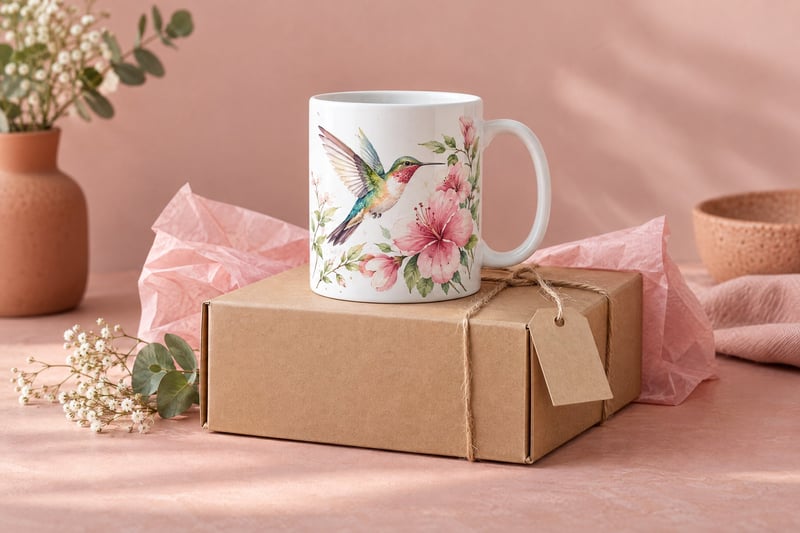
Dreamship makes mockups for every product from the design file you upload for printing, so they show the real product after it's printed. For extra lifestyle shots, the free AI Mockup Generator puts your product in a scene you describe, like a mug on a cozy kitchen counter. AI can change small details, so look over each image before you post it.
Can you copyright AI art?
This is where it gets interesting. In January 2025, the US Copyright Office released part two of its report on copyright and AI, and its message was clear: copyright protects human creativity. Writing prompts, even long and detailed ones, isn't enough on its own to make you the author of what the AI makes and get copyright protection for it.
That doesn't mean AI-assisted work can never be protected. According to the Office, protection can still cover:
- Your own human-made work that shows up in the final piece, like a drawing or photo you gave the AI to work from
- Creative changes you make to what the AI produced, like redrawing parts, adding hand lettering or reworking the composition
- The creative way you choose and arrange pieces into a larger design
What this means for your shop: you can sell designs made entirely with AI, but you may not be able to stop someone else from copying them. The more of your own creative work you add, the more of each design is protected by copyright, and the stronger your case for getting copies taken down from other shops, for example by filing an intellectual property report with Etsy. It usually makes the designs better too, because they look like yours instead of like everyone else's AI art.
Make sure AI isn't copying someone else's work
Along with protecting your own designs, make sure each design uses only your own ideas and images. Image generators can still draw famous characters, team logos, brand names and celebrities when asked. Steering clear of them keeps your listings safe from infringement reports by brand and copyright owners, and helps your shop grow steadily:
- Leave brand names, logos, team names and famous characters out of your prompts.
- Don't ask for art in the style of a living artist by name.
- Avoid song lyrics and movie quotes, which are often copyrighted, and well-known catchphrases, many of which are trademarked for shirts and mugs.
- Before you design a whole collection around a phrase, search for it on Etsy and in the USPTO trademark search. If the phrase is trademarked for the product you plan to sell, like t-shirts or mugs, pick another one.
If you sell personalized products, where buyers send a name or photo to print, Dreamship's AI Personalization won't draw brand logos or famous characters. If a buyer asks for one, the order waits for your review instead of printing. For more on staying safe, read our post on IP infringement and how to avoid it.
Check your AI tool's terms
Every AI tool has its own terms for commercial use, and they can differ between free and paid plans. Before you sell, check the commercial use section of your plan's terms to see whether it lets you put the images on products you sell. It's also worth keeping a simple note of which tool and plan you used for each design, in case Etsy or anyone else asks where a design came from.
Selling somewhere besides Etsy? Every marketplace sets its own rules for AI content, so check its seller policies the same way.
Checklist before you list AI designs on Etsy
Run through these 6 points before you publish each Etsy listing with an AI design, so the listing meets Etsy's rules and stays up.
- Add a sentence to each Etsy listing description saying AI helped make the design.
- List your production partner on each Etsy listing.
- Make sure every listing image shows the real color, material and size of the product.
- Add your own creative touch to the designs you most want copyright protection for.
- Keep brands, characters, logos and famous names out of your prompts.
- Check that your AI tool's plan allows commercial use.
Ready to turn your designs into products? Create a free Dreamship account and connect your Etsy shop. Dreamship prints and ships every order for you.