2026 U.S. Wedding Trends: Consumer Shifts and Print-on-Demand Opportunities
Every year, approximately 2 million weddings take place across the United States. That figure sustains a $66-72 billion market, with the majority of budgets flowing into traditional categories like venues, catering, and photography.
However, a specific gap remains in the traditional wedding industry. It involves highly personal items. These are products that hold meaning for a specific couple, a specific friend group, and a specific moment in time. This is exactly where Print-on-Demand provides value.
This article draws on data from The Knot, Zola, CivicScience, and consumer psychology research to analyze how Americans plan weddings in 2026. The goal is not merely to track aesthetics, but to help sellers understand buyer psychology. It clarifies what end consumers think, what they buy, and why they justify spending a premium on the products you create.
Quick Summary
- The Market: ~2 million weddings annually, a $66-72 billion market size. The average guest count decreased from 184 in 2006 to 117 in 2026, but the spend per guest increased.
- Buyer Psychology: 64% of couples aim to keep total costs under $20,000. They reduce the quantity of items purchased, but elevate the quality for categories that hold personal significance.
- POD Opportunities: Growth lies in personalized gifts, wedding party keepsakes, and story-driven décor. Generic "Mr. & Mrs." products continue to lose traction.
- Timing: Peak season includes June, September, and October. Sellers should prepare listings at least 3 to 4 months in advance.
The Big Picture: Fewer Guests, Deeper Intent
Before examining specific product niches, look at the structural changes in how Americans host weddings. Understanding these shifts allows you to position products accurately.
Micro-Weddings: Beyond a Temporary Measure
Currently, 44% of American couples choose to host weddings with fewer than 50 guests. While this figure accelerated during the COVID-19 pandemic out of necessity, a realization followed. Intimate weddings often provide a better experience than large-scale events.
Psychological research indicates that large weddings induce performance anxiety. Couples spend the majority of their reception greeting hundreds of people, with each interaction lasting only seconds. A smaller guest list enables couples to remain present in their own celebration and engage deeply with attendees.
Economic factors reinforce this shift. The average U.S. wedding costs between $34,000 and $42,000 (a sum comparable to a house down payment in many states). As couples reduce guest lists, the available budget per guest rises. They choose to allocate funds toward a higher quality experience, which includes personalized gifts and physical keepsakes.
Seller Insight: The micro-wedding segment is not a volume-driven, low-cost market. Because gifts are reserved for a tight inner circle, each item requires higher quality. This demographic spends on deep customization, such as engraved names, specific dates, and premium materials.
Personalization: Advancing Past Names and Dates
In 2020, offering a mug printed with "Mr. & Mrs. Smith" guaranteed sales. In 2026, buyers expect layered personalization.
Research from the University of Bath highlights that personalized gifts trigger a psychological response called "vicarious pride." The recipient feels pride that someone invested effort to create a unique item specifically for them. This emotion turns the gift into an emotional anchor, binding the physical object to the memory of the wedding day.
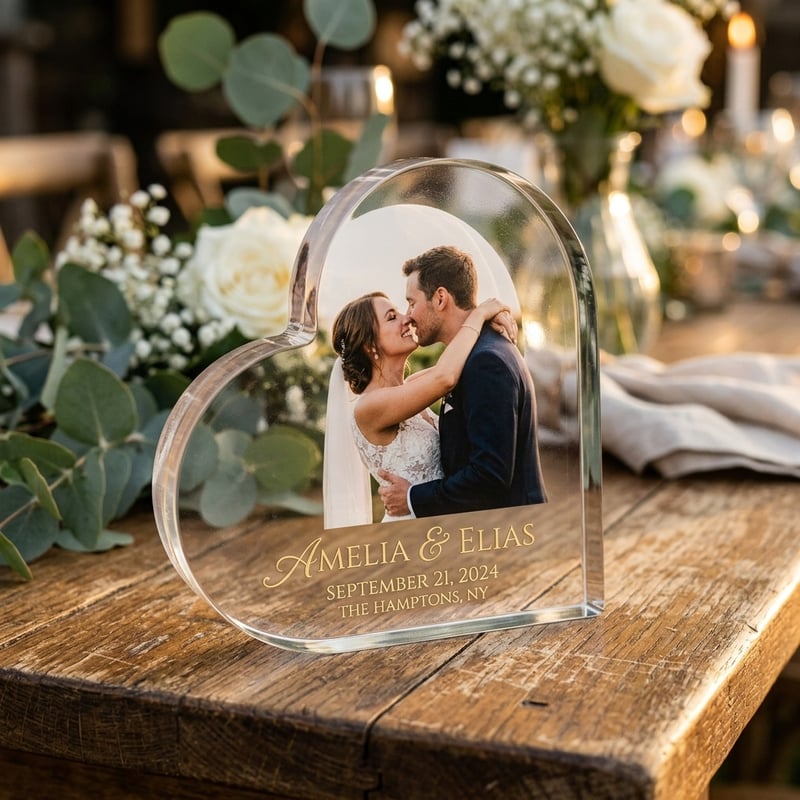
On Etsy, wedding listings with the highest conversion rates utilize story-driven personalization. Examples include maps marking "Met, Engaged, Married" locations, custom couple illustrations, birth flower pendants for bridesmaids, or wedding vows printed on acrylic blocks.
Seller Insight: The baseline for personalization advanced beyond simply adding a name. Sellers who provide options to upload photos, select birth flowers, integrate GPS coordinates, or print custom quotes secure the premium segment, where buyers focus less on price comparisons.
Analyzing Trends by Audience Segment
Couples do not shop as a monolith. The following analysis breaks down buying behavior by group, allowing you to align products with specific buyers.
1. Gen Z Couples (Ages 18-29): The Wedding as a Relationship Portrait
Gen Z now represents the largest share of the wedding market. Unlike previous generations, they do not discard traditions entirely. Data from Zola indicates that 54% of Gen Z couples maintain religious ceremonies (compared to 38% of Millennials), and 92% host full bridal parties. They selectively revive traditions that carry personal meaning and ignore the rest.
The root cause: Gen Z matured in a digital environment where content is easily fabricated. As a result, they position authenticity as the highest standard. A wedding must reflect their actual identity, rather than replicate a popular template.
Aesthetic Shifts: This group moves away from neutral minimalism and blush pink. Following a decade of blush-and-greenery palettes, Gen Z gravitates toward warm, earthy tones like chocolate, mocha, berry, and terracotta. Alternatively, they embrace bold contrast: deep burgundy, emerald, and cobalt blue.
POD Product Matches:
- Bridesmaid Gifts: Birth flower illustrations printed on small acrylic plaques or canvases. Instead of identical "Team Bride" items, each bridesmaid receives a flower corresponding to her birth month.
- Welcome Signs & Bar Menus: Custom neon signs or fabric signs printed with linen textures. The style features editorial design, pairing minimalist serif typography with handwritten accents.
- Guest Favors: Personalized magnets with dried flower motifs or "happy tears" tissue packs printed with the couple's names. Focus on low-waste, consumable, or reusable items.
2. Millennial Couples (Ages 30-45): Polished, Cohesive, and Curated
Millennials tend to marry later, possess more stable incomes, and approach wedding planning as a structured project. They rely on professionals, plan 12 to 18 months in advance, and maintain high standards for cohesion. From invitations to napkins to favor boxes, every element must fit within a unified aesthetic system.
The prevailing style for this group centers on a "supper club vibe" characterized by intimate dining, vintage tableware, candlelight, and sculptural floral installations rather than traditional arrangements. Regarding gifts, they follow a "one nice gift" philosophy over multiple small items.
POD Product Matches:
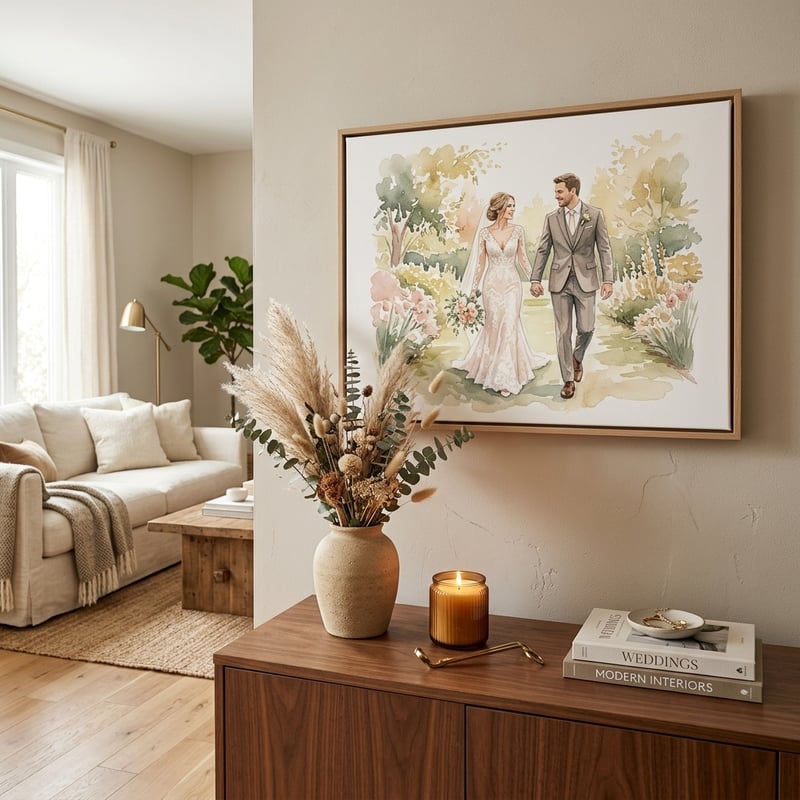
- Custom Illustrations: Hand-drawn couple portraits printed on canvas or acrylic, utilizing line art or watercolor styles. These products address the need for keepsakes that transition into home décor after the event.
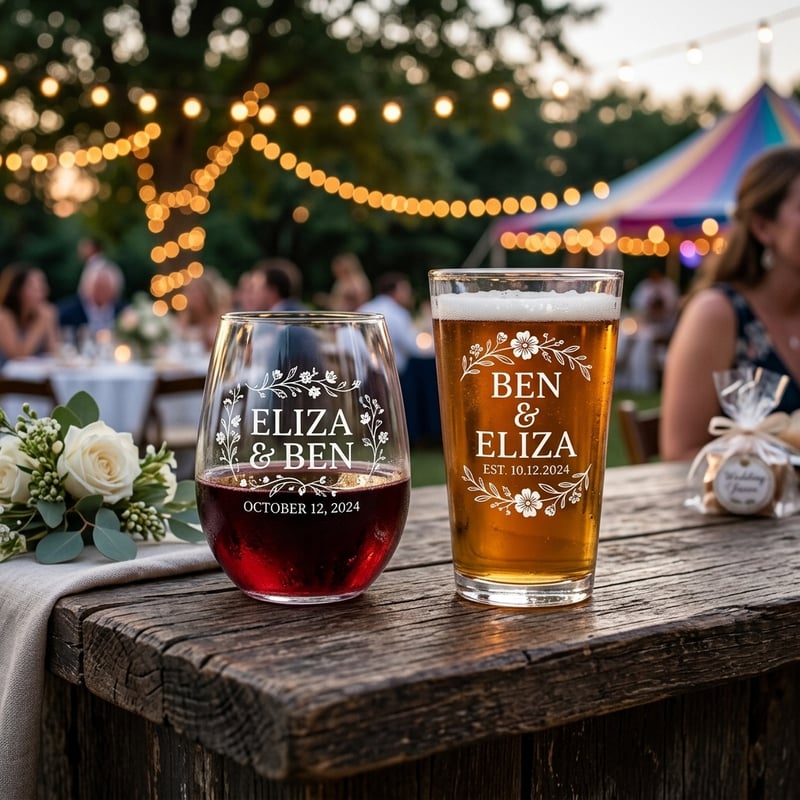
- Wedding Party Gifts: Printed pint glasses and wine glasses featuring names or monograms, and slate coaster sets highlighting the wedding date. Requirements include substantial material quality and refined print execution, avoiding the appearance of mass-produced goods.
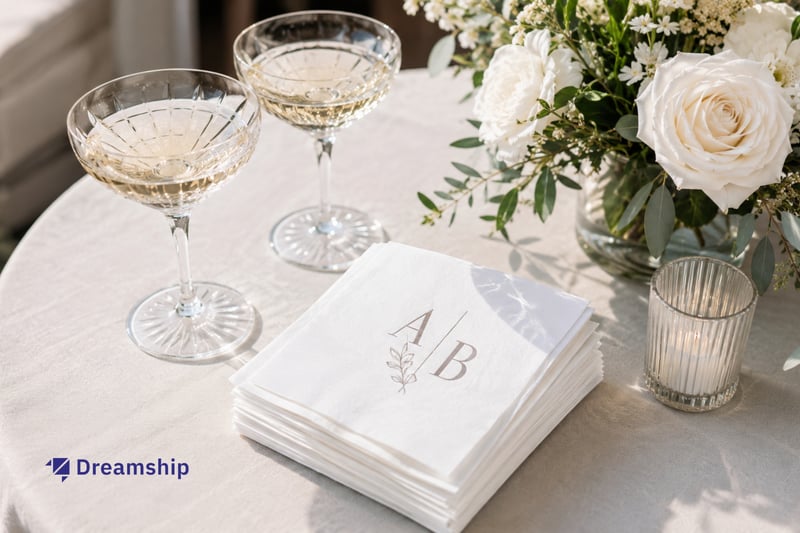
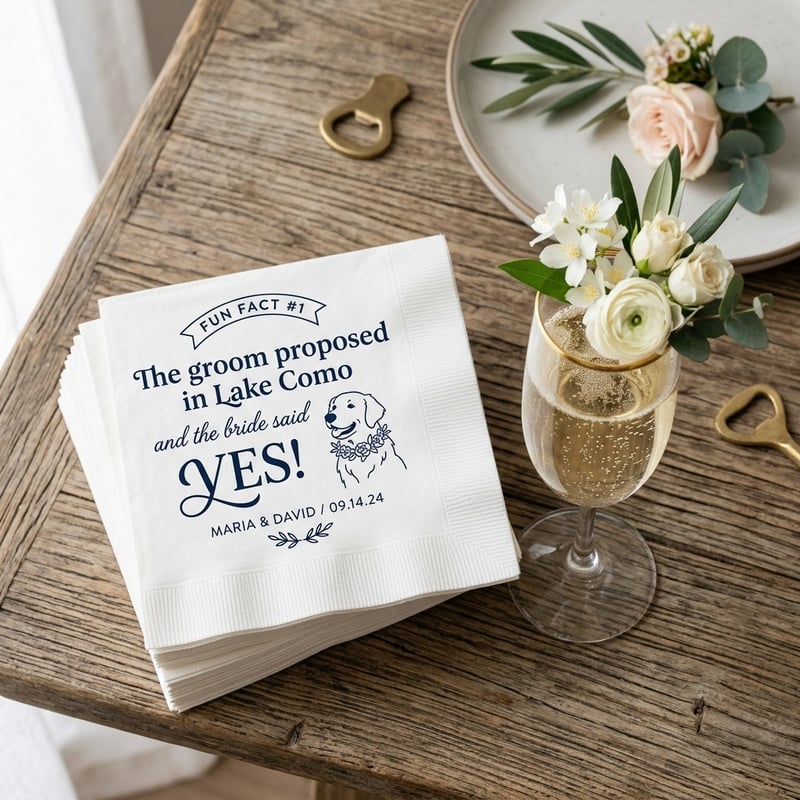
- Custom Napkins & Table Décor: Paper napkins printed with names, dates, or fun quotes. These small details add a personal touch to the reception tables at a reasonable price point.
- Table Numbers & Place Cards: Printed on textured paper effects or clear acrylic, matching the typography of the invitations. Millennials frequently purchase matching stationery sets if sellers provide bundled packages.
3. LGBTQ+ Couples: Unapologetic Personalization
The LGBTQ+ wedding market expands while bringing demands that the traditional industry fails to meet. 2026 trends emphasize gender-neutral language, shifting toward terms like "Partner", "Wedding Party", and "Marrier".
Aesthetically, this demographic leans toward bold, playful, and expressive elements: velvet textures, brocade, neon signs, and disco balls. Personal style shows greater diversity due to fewer constraints from traditional templates.
POD Product Matches:
- Inclusive Product Lines: Develop product lines using gender-neutral language rather than default "Bride & Groom" text. On Etsy, listings utilizing inclusive terminology remain low, presenting a clear market gap.
- Bold Aesthetic Items: Canvases or acrylics featuring large typography and high-impact colors (fuchsia, cobalt, lime). Styles lean toward flat illustration or pop art.
- Custom Vow Displays: Vows printed on acrylic or canvas using handwritten fonts. This product sees high demand in the LGBTQ+ community, as vows are often highly individualized and personal.
4. "Wed-cation" Couples (Destination Weddings & Elopements)
With 44% of couples hosting micro-weddings, a significant portion selects elopements or destination weddings. The 2026 model extends beyond a single day away, functioning as a 3-to-5-day "wed-cation" that includes welcome parties, group excursions, and post-wedding brunches.
The common aesthetic is "barefoot minimalism" utilizing clean lines and natural textures that blend with the landscape. Privacy acts as the primary luxury factor, driving bookings for exclusive-use venues or private villas.
POD Product Matches:
- Welcome Bag Items: Canvas tote bags printed with the couple's names, location, and date. Bandanas printed with local maps. This segment orders in bulk (10 to 30 units), fitting the POD model well.
- Location-Based Keepsakes: GPS coordinate maps printed on acrylic or posters marking the ceremony site. Magnetic photo frames indicating the date and destination.
- Adventure Elopement Apparel: Hoodies or t-shirts printed with "We Eloped [Location] [Year]" using vintage typography. Demand for these items increases as couples use them for social media elopement announcements.
2026 Color Palettes and Design Directions
For sellers active in the wedding category, specific color data directs listing adjustments.
| Color Group | Specific Palette | Design Application |
|---|---|---|
| Dark Romance | Burgundy, merlot, plum, black cherry, ivory | Invitations, welcome signs, bridesmaid gifts. Pair with velvet textures. |
| Warm Earthy | Sand, oatmeal, terracotta, clay, copper | Table décor, tote bags, neutral backdrops. Highly photography-friendly. |
| Vibrant Joy | Butter yellow, lime, fuchsia, tomato red | Spring and summer weddings, outdoor venues. Suitable for LGBTQ+ celebrations. |
| Jewel Tones | Emerald, cobalt blue, amethyst | Fall and winter weddings. Combine with metallic accents. |
Practical Note: Sellers offering only white and blush variants lose competitive advantage. Couples in 2026 search for palettes that reflect individual personalities. Offering 4 or 5 color variants for a single design expands keyword coverage and improves conversion rates.
Seller Timeline: When to List Products
The U.S. wedding calendar extends beyond June. Use this timeline to schedule production and listing updates:
| Timeframe | Seller Actions |
|---|---|
| January - February | Engagement season follows the holidays. Demand for "just engaged" products spikes. Prepare listings for bridesmaid proposal gifts. |
| March - April | Couples book vendors and finalize themes. Ensure wedding décor, signage, and stationery listings are live. |
| May - June | Peak wedding season begins. Demand for last-minute gifts, welcome bag items, and day-of accessories rises. |
| July - August | The mid-season lull. Optimize listings, gather reviews, and prepare for the fall season. |
| September - October | The second peak season (fall weddings). Color palettes shift toward jewel tones and dark romance. |
| November - December | Off-season weddings and the new engagement season begin. Shift focus to "just engaged" merchandise and holiday proposal gifts. |
Dreamship Products Suited for the Wedding Niche
After securing insights and design directions, select quality products to retain customers. Consider these items from the Dreamship catalog for 2026 wedding campaigns:
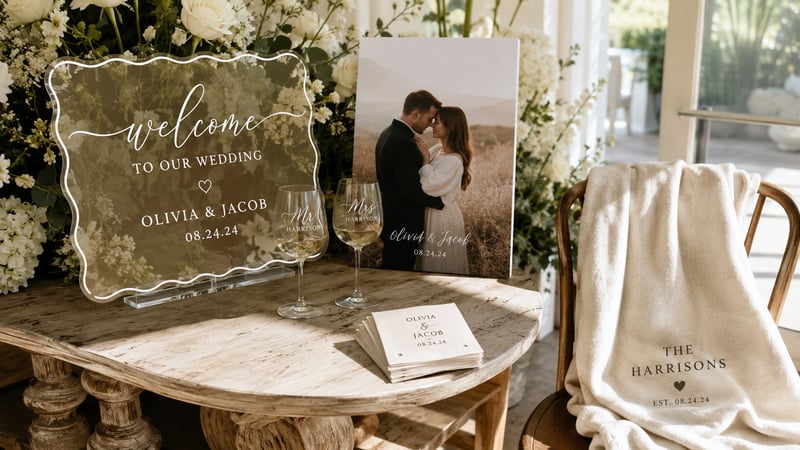
- Acrylic Plaques & Acrylic Photos: Optimal for wedding keepsakes. Leverage custom cut functionality to shape the acrylic exactly like a real couple's photo. Applications include custom vow displays, coordinate maps, or table numbers. Acrylic functions as a display-ready material making it ideal for home décor.
- Custom Printed Napkins: An excellent upsell item that sells easily in large bundles. Couples frequently customize these with fun facts, personal messages, or pet illustrations to elevate their cocktail hour and dinner service.
- Canvas Prints: Suitable for custom illustrations, wedding portraits, or quote art. Canvas delivers a fine art feel that posters lack. Applications include line-art couple portraits, venue illustrations, and framed vow prints.
- Glassware: The most popular choice for bridesmaid and groomsmen gifts. Personalize clear glassware with printed names, roles (Maid of Honor, Best Man), and wedding dates instead of generic designs to elevate the unboxing experience.
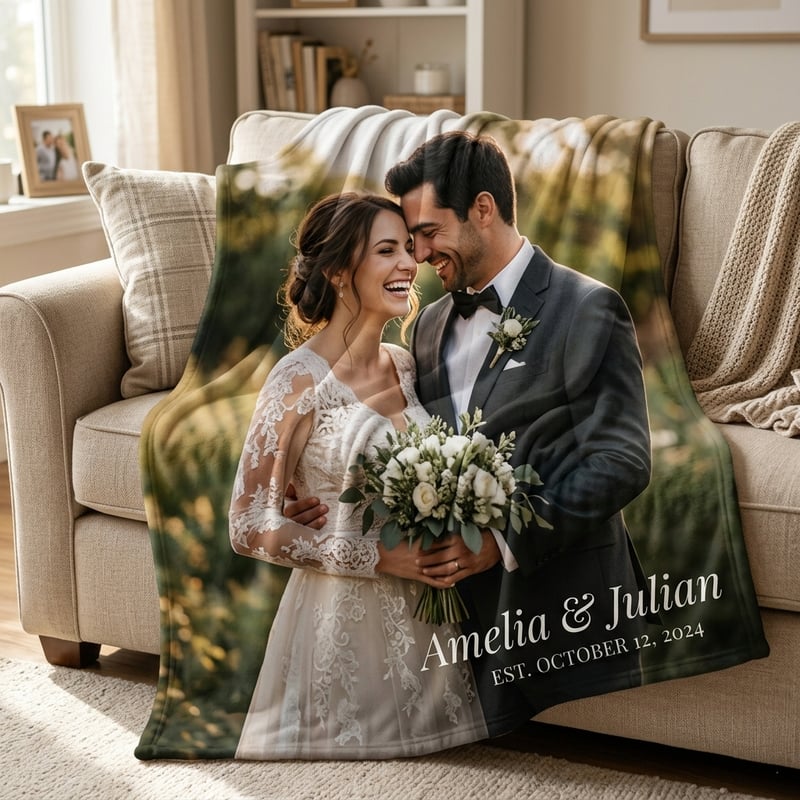
- Fleece Blankets: Serve as "honeymoon keepsakes" or premium wedding gifts. Printing a couple's photo, wedding date, or monogram onto a fleece blanket creates a practical yet sentimental product. Fits well within the "wedding registry alternative" segment.
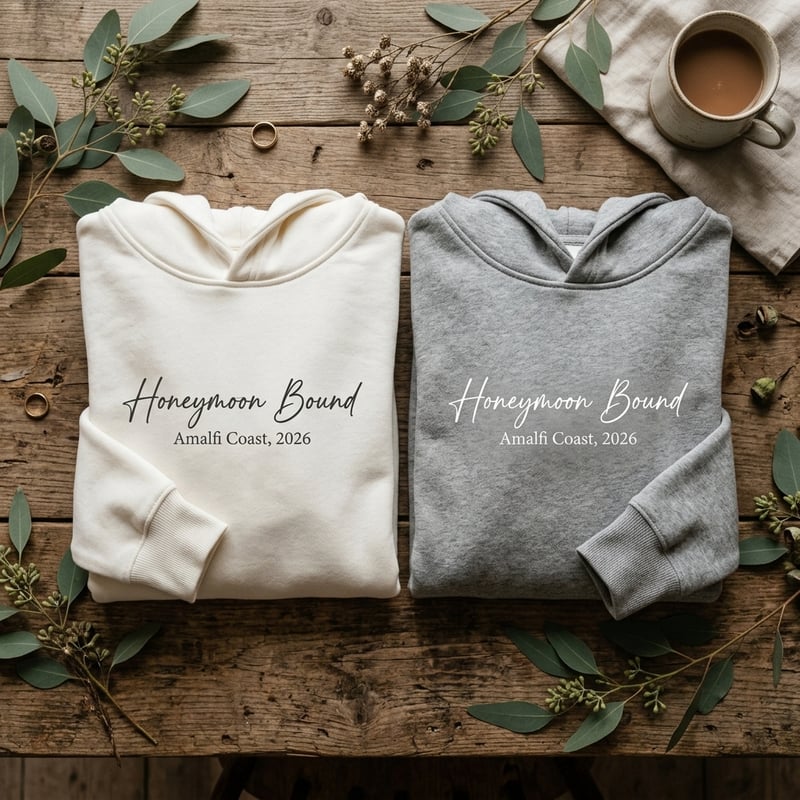
- T-shirts & Hoodies: Applicable for bachelorette parties, bridal party matching, or honeymoon apparel. Use minimalist printed designs like couple's names, year, and location utilizing serif or handwritten fonts.
Conclusion
The U.S. wedding market is not shrinking. It is restructuring. Couples in 2026 spend less on headcount, but spend more on items that carry personal significance.
For POD sellers, this consumer behavior opens a position that mass-produced goods cannot occupy. Products hold value because they represent a specific couple, a specific friend group, and a specific moment. An acrylic photo custom cut to a couple's portrait, a printed wine glass set customized for each bridesmaid, or a canvas featuring a hand-drawn illustration. These are items large retailers cannot manufacture on demand. That is your competitive advantage.
Frequently Asked Questions (FAQ)
What is the biggest shift in 2026 wedding trends?
Micro-weddings and personalized experiences are the defining trends. 44% of couples opt for weddings under 50 guests, allocating their budget toward high-quality, story-driven products rather than large-scale, generic events.
How should POD sellers approach wedding personalization?
Sellers must move beyond generic "Mr. & Mrs." text. Successful personalization in 2026 focuses on storytelling—such as custom couple illustrations, coordinate maps, birth flower designs, and inclusive product language catering to LGBTQ+ couples.
When is the best time to list wedding products?
Listings should be prepared 3 to 4 months before peak seasons. While May-June and September-October are peak wedding months, January and February see a massive spike in engagement-related purchases and early planning orders.
Ready to scale your wedding product catalog?
Explore Dreamship's high-quality product lineup to find your next winning design for the 2026 wedding season.
Explore the Catalog →